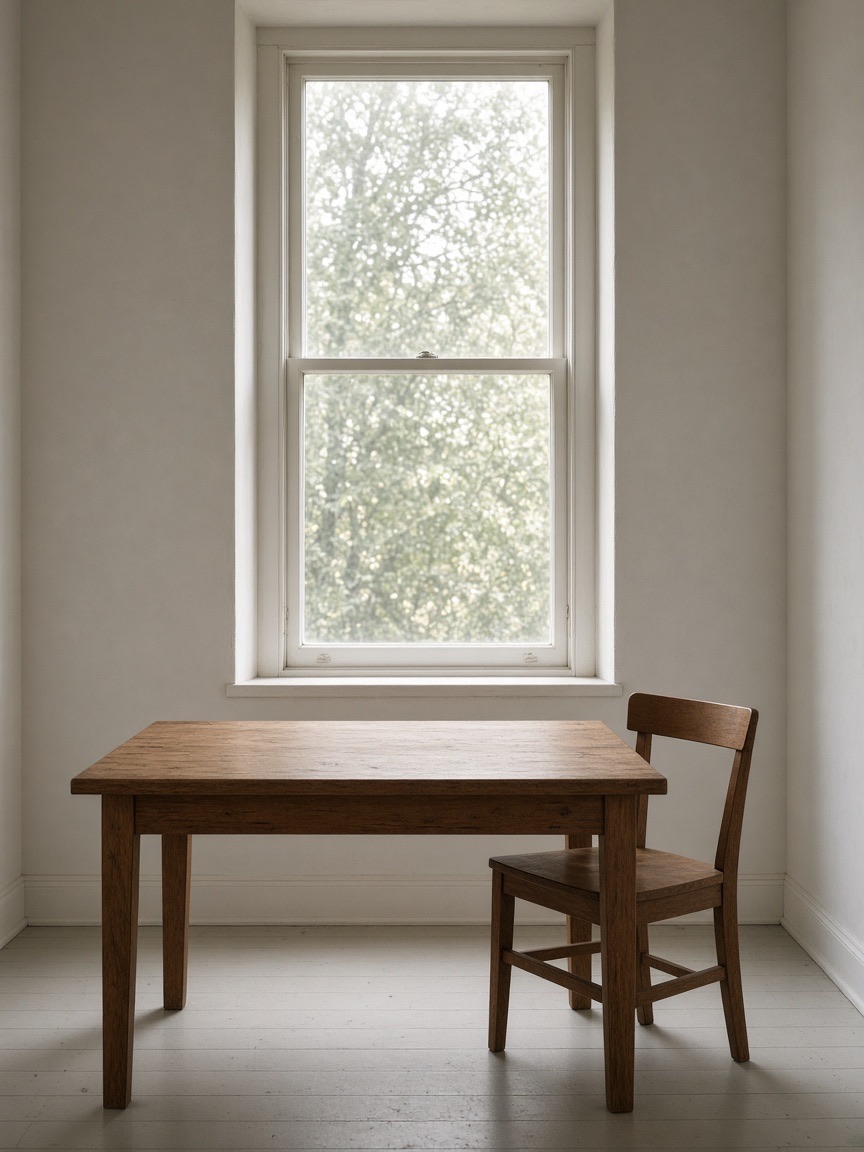
Nearly every job is an object on the table in Orhei. A courtyard or a cellar is booked on its own. Colour is finished in this room, against the window, not in another city.
The table
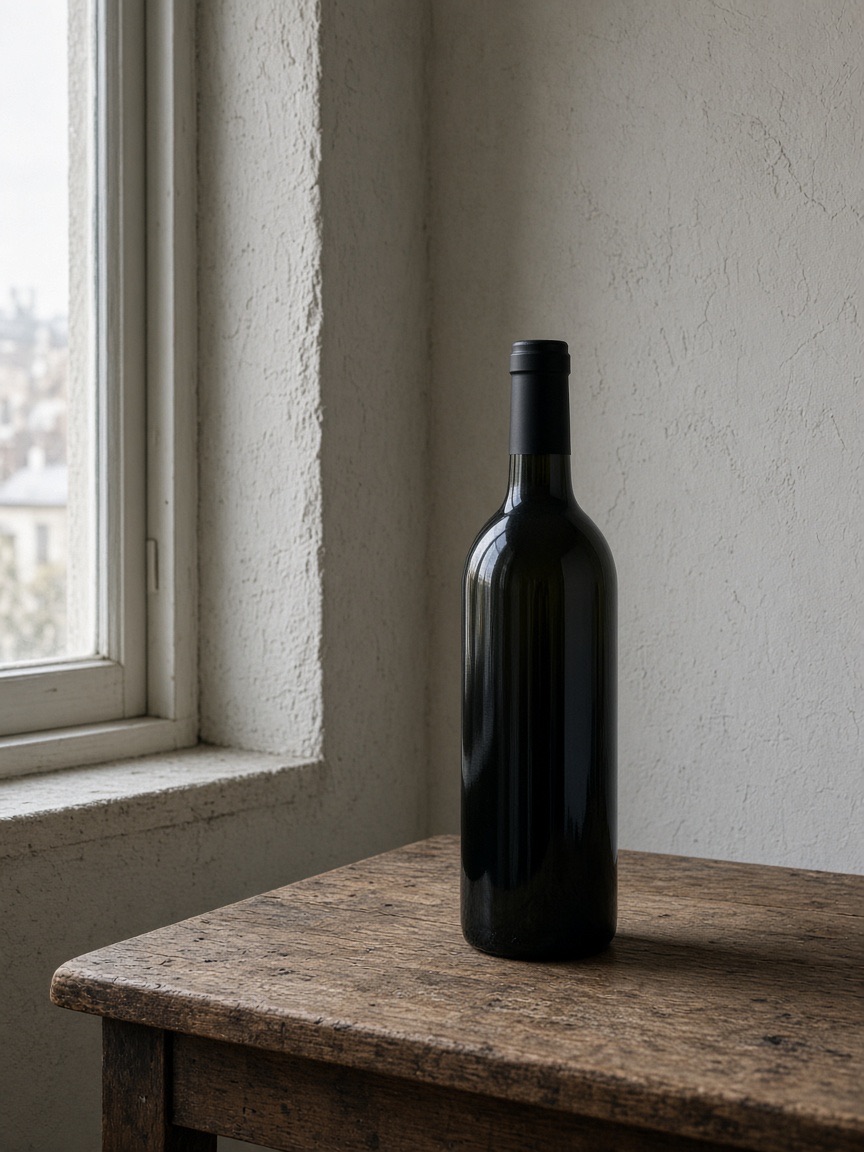
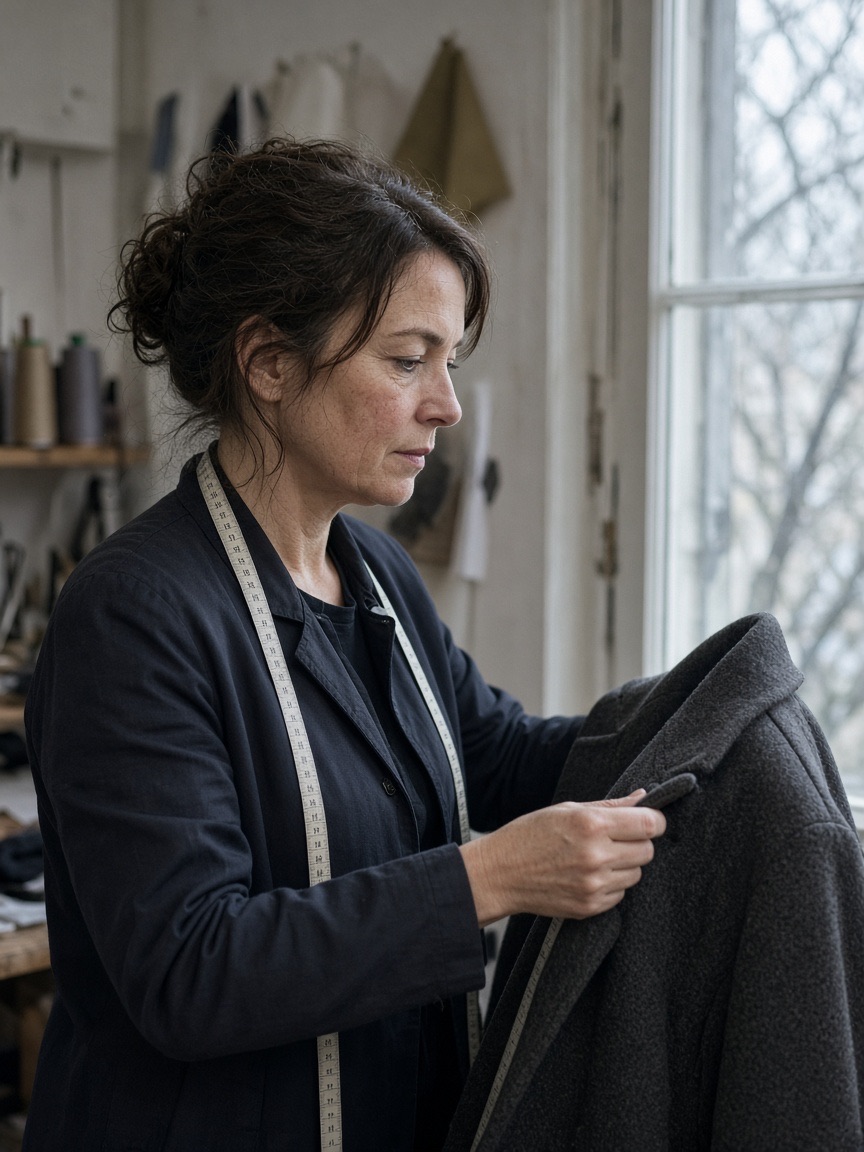
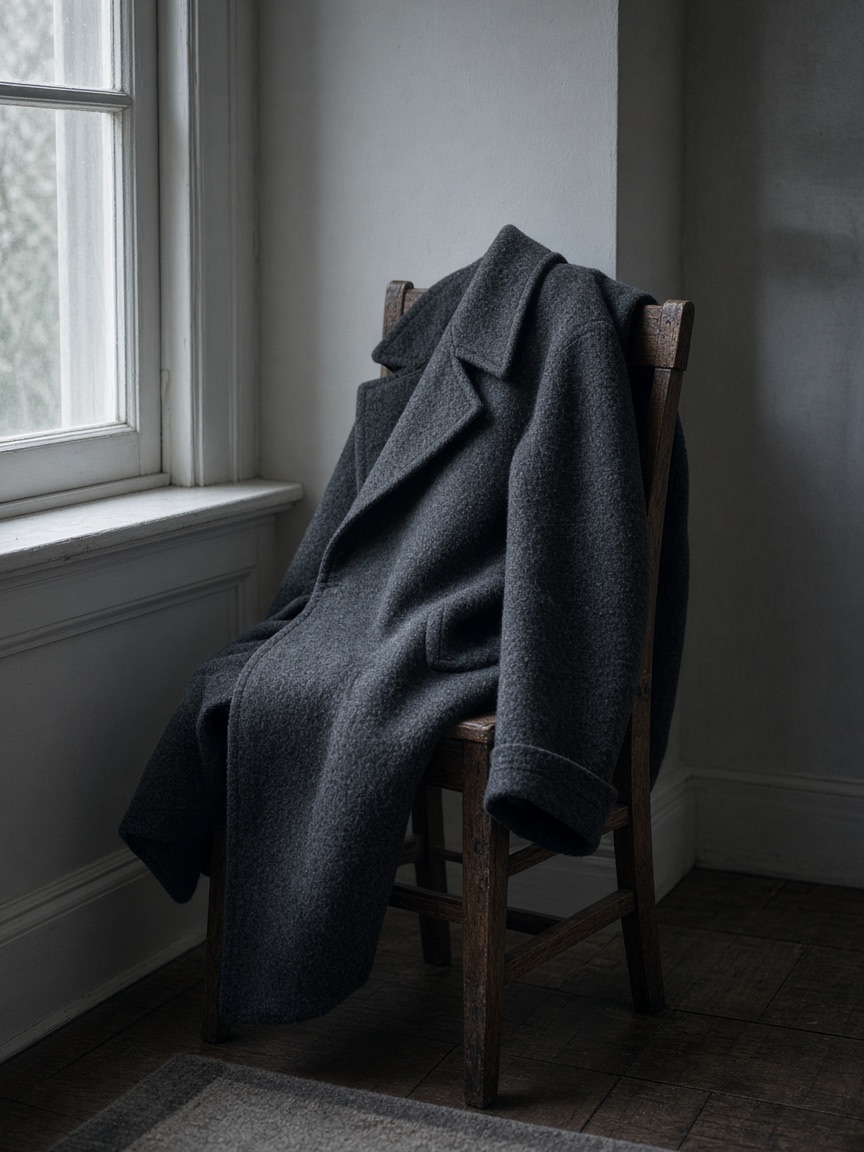
A table day in Orhei is three or four objects, not a campaign grid. If the piece is wool, we wait until the fibres sit. If it is glass, we kill the reflection from the building across the street before we talk about a second angle.
Most of the week is this. You carry the piece up. We move it until the window is enough. Retouch is dust and a crumb, not a new bottle.
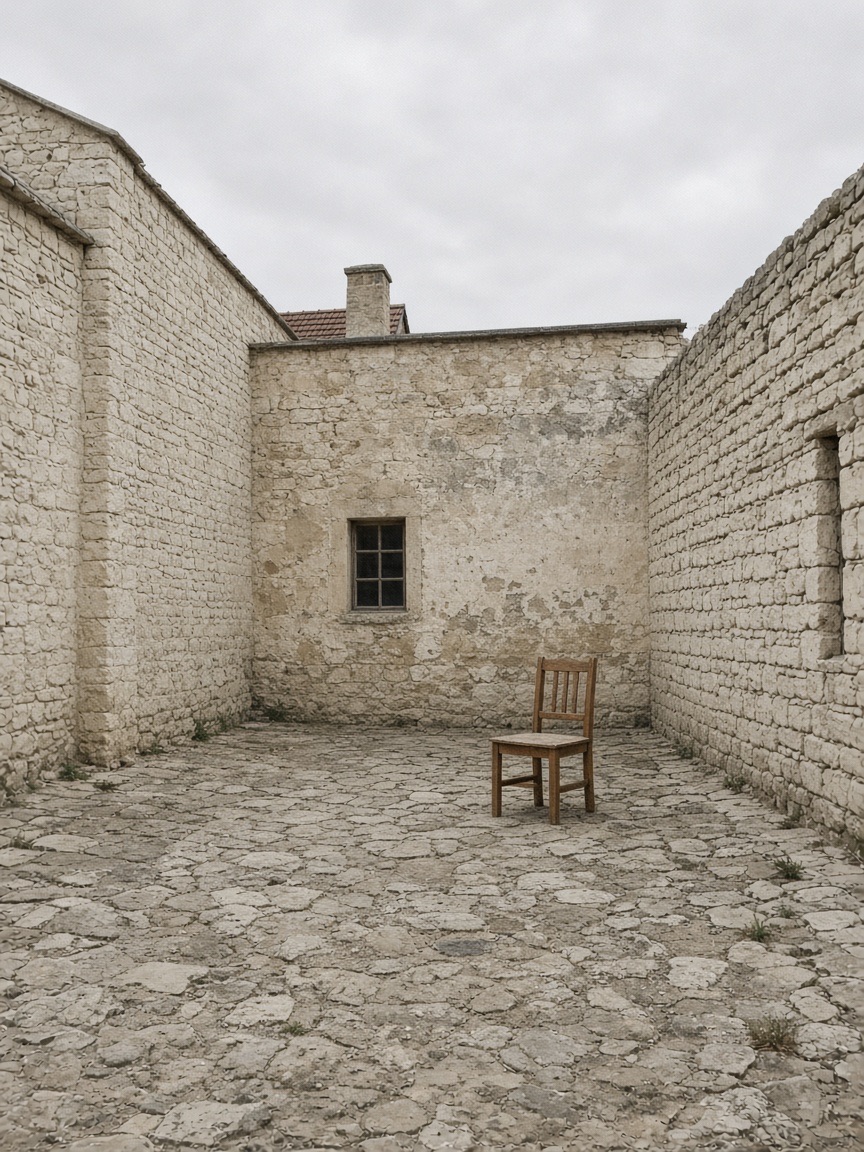
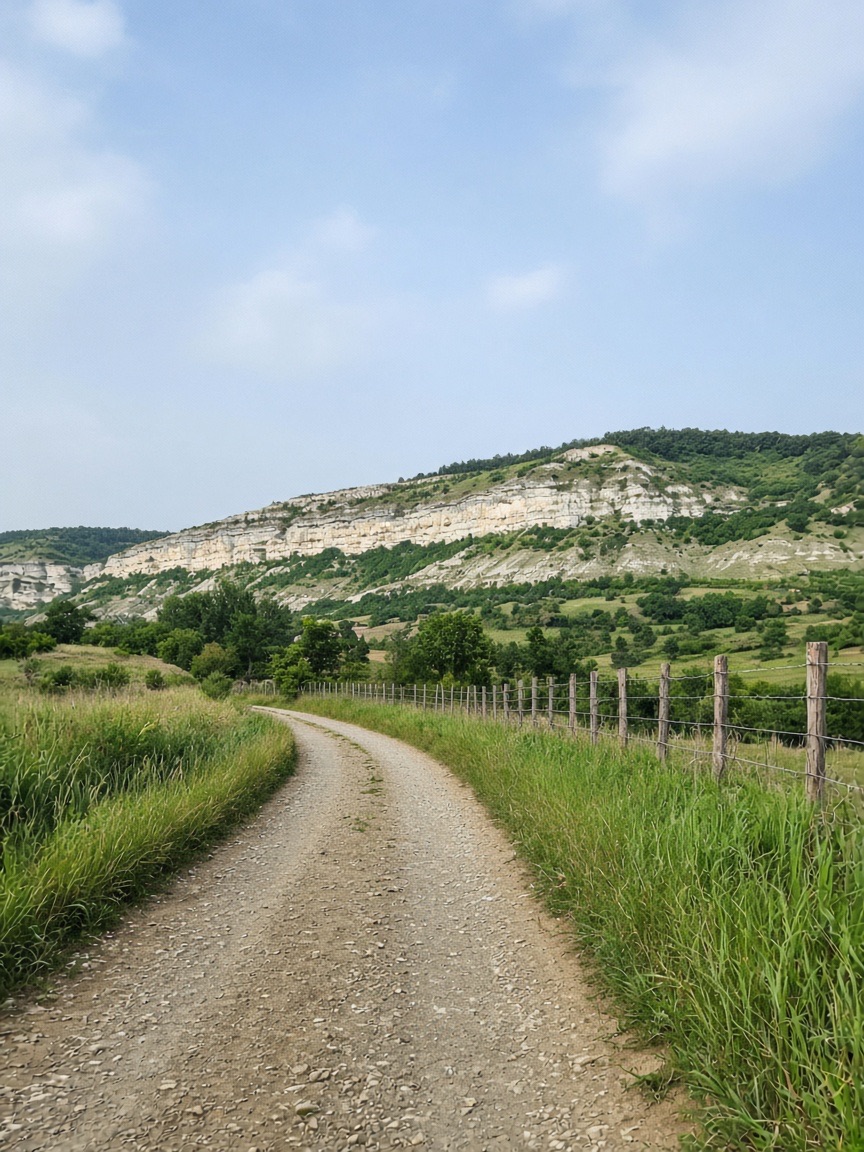
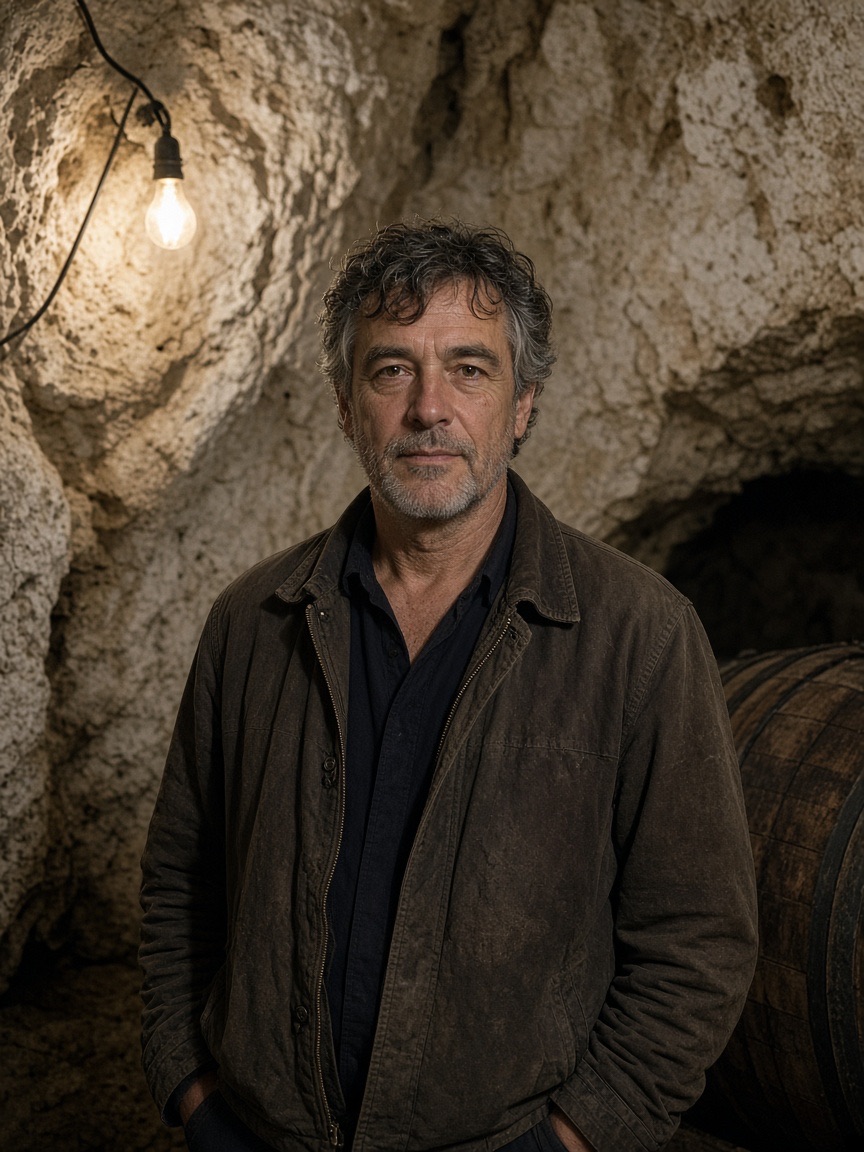
A film day has its own morning. The tailor downstairs is warned, because the stairs creak. Butuceni days start early so we are out of the cellar before the tour groups.
We do not roll while we are still hunting the still. The film uses the same object and, if you want, the same room. Sound is the room, not a track we do not own.
Vera matches the table pictures to the cellar pictures only where the glass should agree. The rock is allowed to be colder. Clients who ask for a golden cave are told no.
Stills and a film from the same object share one white. Limestone stays limestone. Wine stays the colour it was in the glass.
This is rare here. Most clients have the object. We use it when a cellar wants a label shown before the bottling week, and we say so in the picture note.
We photograph an empty stand in the real window, then build the missing bottle into that light. If you can point at the render, it goes back.
Doina writes the day on one page: object, hour, who carries it, whether the car goes to Butuceni. If that page is wrong, we fix it before we book the Thursday.
A letter with twelve wishes becomes a list of what fits in a morning. The rest is another booking.